Industry News
How to Start a Self-Storage Business in Australia

4 min read
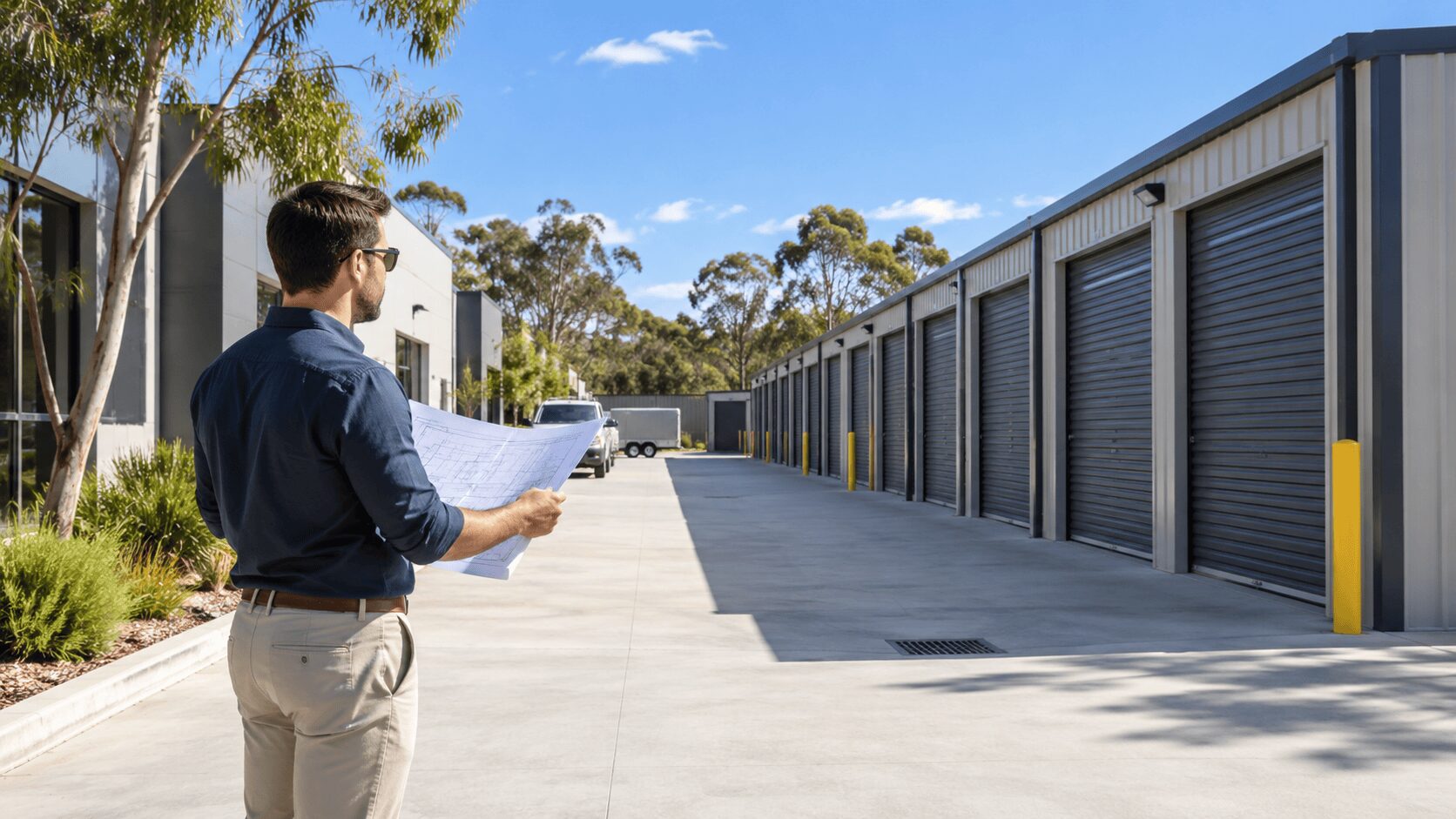
Self storage has a reputation as a set-and-forget investment, and there is some truth to it. Once a facility is full and running well, it can produce steady income with modest staffing. Getting to that point, though, is a genuine business and property project, and the operators who do well are the ones who plan it as one.
This guide walks through starting a self-storage business in Australia from first idea to opening day: the routes in, the numbers, the approvals, the systems, and the mistakes that catch first-timers.
The Short Version
Starting a self-storage business means choosing a route in (build, buy or convert), proving the demand and the numbers, clearing planning and finance, and setting up the systems that will run the site day to day. Plan the operations and software early rather than as an afterthought, because pricing, online move-ins and arrears handling are what separate a full, profitable site from a busy but underperforming one.
Is self storage a good business to start?
Demand for storage in Australia has held up well, driven by smaller homes, life changes and small businesses needing flexible space. Margins can be healthy once a site stabilises, and the day-to-day running is lighter than most retail or hospitality ventures. That said, it is capital-intensive up front and competitive in built-up areas, so success rests on picking the right location and running it well, not just opening the doors.
Build, buy or convert
There are three common routes in. You can build a purpose-built facility, which offers the most control but the longest and most expensive path. You can buy an existing facility and improve it, which brings immediate income. Or you can convert an existing building, such as a warehouse, which can be quicker than building but comes with its own compliance and layout challenges. Each suits a different budget and timeline, so be honest about which fits yours.
Your path to opening
Market research
Assess local demand, existing supply and rates in the catchment before committing to anything.
Site and feasibility
Model occupancy, rates and costs to check the numbers stack up for your chosen site and route.
Finance and approvals
Secure funding and work through planning, zoning and building approvals for the site.
Build or fit-out
Construct or convert the facility, including security, unit mix and access systems.
Choose your systems
Lock in your management software, website and payment tools before you take a single booking.
Marketing and pre-lease
Start marketing ahead of opening so you have enquiries and move-ins ready on day one.
Open and lease up
Open the doors and focus on filling units at the right rates through the lease-up period.
The numbers to understand
The economics of a facility come down to a few buckets. Get a realistic handle on each before you commit, because optimistic assumptions here are the most common reason new sites disappoint.
The main cost and revenue drivers
Setup capital
Land, build or fit-out, security and equipment. The biggest and least flexible number.
Lease-up period
The months it takes to fill units. Cash flow is thin until you reach stabilised occupancy.
Operating costs
Staffing, insurance, council rates, utilities and maintenance across the year.
Rate and occupancy
Your revenue engine. Economic occupancy and rate discipline matter more than a full-looking site.
Choose your systems early
The systems you pick shape how the business runs for years, so decide on them before opening rather than bolting them on later. A storage management platform handles bookings, billing, access and reporting in one place. A purpose-built website with automated pricing lets customers reserve and move in online, which is now how a large share of tenants prefer to start. Sorting out payments and integrations early means you open with a smooth process instead of a manual scramble.
Before you open
Legal and compliance
Operations
Marketing
Common mistakes first-timers make
Most early stumbles are avoidable. Underpricing to fill fast and then struggling to lift rates later. Skipping online move-ins and losing customers who never want to phone. Running a loose arrears process that lets debt build. And watching physical occupancy while ignoring economic occupancy, which is the number that actually pays the bills. Good systems and clear reporting guard against all four.
Getting started
Start with the market and the numbers, choose the route that fits your budget, and set up the operations and software before you open rather than after. If you are planning a new facility, you can explore our tools for new operators, try Sitelink for free, or talk it through with our team.
This article is general information, not financial or legal advice. Seek qualified professional advice before starting or investing in any business.


Frequently asked questions
The questions operators ask us most about revenue management.
Book an online demo today and see for yourself how SiteLink makes it easy to manage your self storage facility to the highest standards. Simply fill in the form below to get started.

"I've had a consistently positive experience with the Sitelink Support Desk. The team is responsive, knowledgeable, and always willing to go the extra mile to resolve issues efficiently. They understand both the technical and user-experience sides of support, which makes communication smooth and effective. Tickets are usually resolved same day, and I appreciate the follow-up after resolution. Highly recommend their support team — they're a crucial part of our success."

"I have had great support from the Australian team. Reuben, Ben, Jarrod, Charlie and now Sam have been great at helping navigate the quirks of SiteLink's software."

"I have been dealing with Site Link for several years and am thrilled with their customer service and how approachable they are and easy to contact. They have a quality product which is hard to match. The Site Link team headed by Dallas, Curt and Michael are true professionals. They have my tick of approval. How is it that they continue to improve upon what is a great service and product already? Don't know but they do."

"We recently changed our franchise network onto SiteLink after years of average customer service and questionable software performance. At all times we have found Michael, Curt and the rest of the SiteLink team to be incredibly helpful. We have relied heavily upon the support staff to train us in what is a very fast paced working environment. There has never been a phone call unanswered or a question too stupid. Highly recommended!"

"The team at R6 / SiteLink support are second to none when it comes to their understanding of the self storage industry. They provide a great product with a support team that can guide you through all the complexities of the day to day running of your sites. SiteLink software will enhance both the facility owners and their storers experience when it comes to selling space and driving revenue!"
 General News, SiteLink, Storage Management Software
The Short Version Most self-storage management challenges, from late payments ...
 General News, Industry News
conducted by Inside Self Storage, the world’s leading industry magazine ...